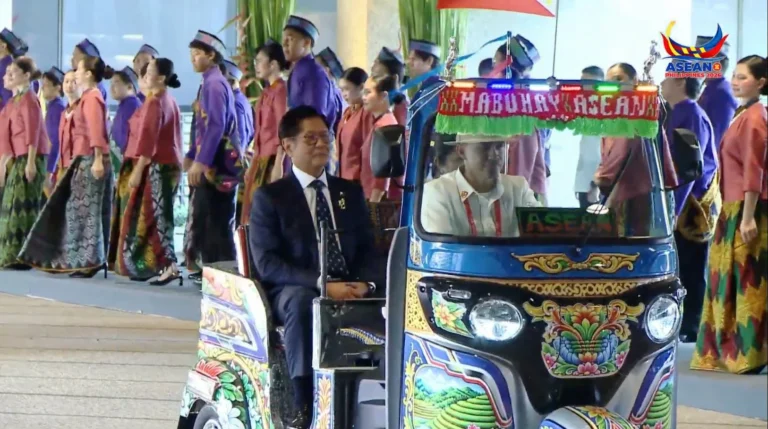
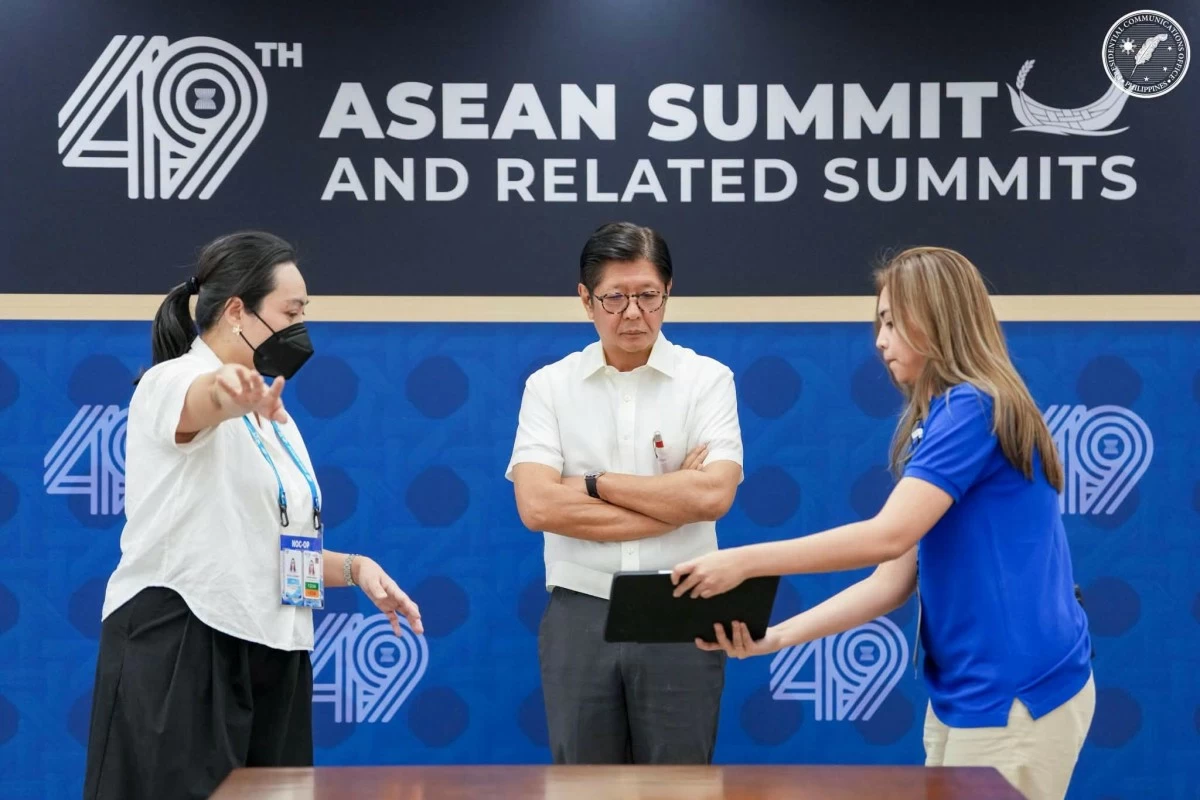

The forty ninth ASEAN Summit in Manila, Philippines formally kicked off on Sunday, fifteenth November, and closes its doorways later at present, seventeenth November.
This august gathering marks the fruits of the Philippines’ ASEAN chairship while delivering each a right away financial windfall and a long-term blueprint for Southeast Asian tourism.
Whereas high-level political and financial pacts dominate the official agenda, the summit additionally serves as a important anchor for the regional journey methods adopted all through 2026.
A regional plan to 2030
Central to those discussions is the reinforcement of the ASEAN Tourism Sectoral Plan (ATSP) 2026–2030, an formidable framework designed to market and function Southeast Asia as a single, cohesive vacation spot.
With a purpose to flip this imaginative and prescient into actuality, regional leaders and tourism ministers are accelerating cross-border infrastructure initiatives.
Key initiatives beneath this programme embody the ASEAN Flight Tourism Hall (ASEAN Move), alongside devoted ASEAN Cruise and Rail Tourism Corridors geared toward simplifying multi-stop itineraries.
Concurrently, member states are channelling advertising and marketing investments into rising second- and third-tier locations.
By strengthening intra-regional journey linkages, Southeast Asia goals to insulate its tourism financial system towards elevated long-haul aviation gas prices and broader geopolitical headwinds.
On the similar time, updates to the ASEAN Tourism Settlement are additionally putting digitalisation, climate-smart tourism networks, and workforce resilience on the forefront of coverage talks.
A great time for Philippine MICE
On the bottom within the Philippine capital, the summit has triggered a right away surge in Conferences, Incentives, Conferences, and Exhibitions (MICE) visitors.
Based on estimates from the Philippine Division of Tourism, the occasion has drawn greater than 10,000 overseas delegates, officers, and media personnel, briefly doubling Manila’s each day worldwide arrivals to peaks of roughly 26,000 guests.
This inflow is producing substantial income throughout the native hospitality, eating, transport, and retail sectors.
On the summit’s hub for micro-, small-, and medium-scale enterprises (MSMEs) sponsored by the Philippine Division of Commerce and Business (DTI), native entrepreneurs are gaining direct entry to worldwide patrons.
Moreover, with lots of of worldwide journalists stationed on the World Commerce Heart Metro Manila, the host nation is capitalising on the worldwide highlight to showcase its culinary heritage, eco-tourism choices, and conventional wellness practices similar to hilot.
Curated post-summit familiarisation excursions have additionally been deployed to transform visiting officers into future leisure travellers.
Sadly…
For on a regular basis travellers transiting by Metro Manila, nevertheless, the summit brings short-term operational changes.
Heightened VIP air visitors at Ninoy Aquino Worldwide Airport could immediate periodic airspace restrictions and schedule modifications by Wednesday, 18th November.
Heavy safety deployments round Pasay Metropolis and main thoroughfares additionally require commuters to allot additional transit time to airport terminals.
Moreover, a number of visa utility centres within the capital, together with these for China, South Korea, and the Netherlands, have briefly suspended operations from sixteenth to 18th November in observance of particular non-working days.
Finally, whereas Metro Manila navigates transient logistical hurdles this week, the coverage frameworks superior on the forty ninth ASEAN Summit sign a extra linked, resilient, and seamless future for journey throughout Southeast Asia.