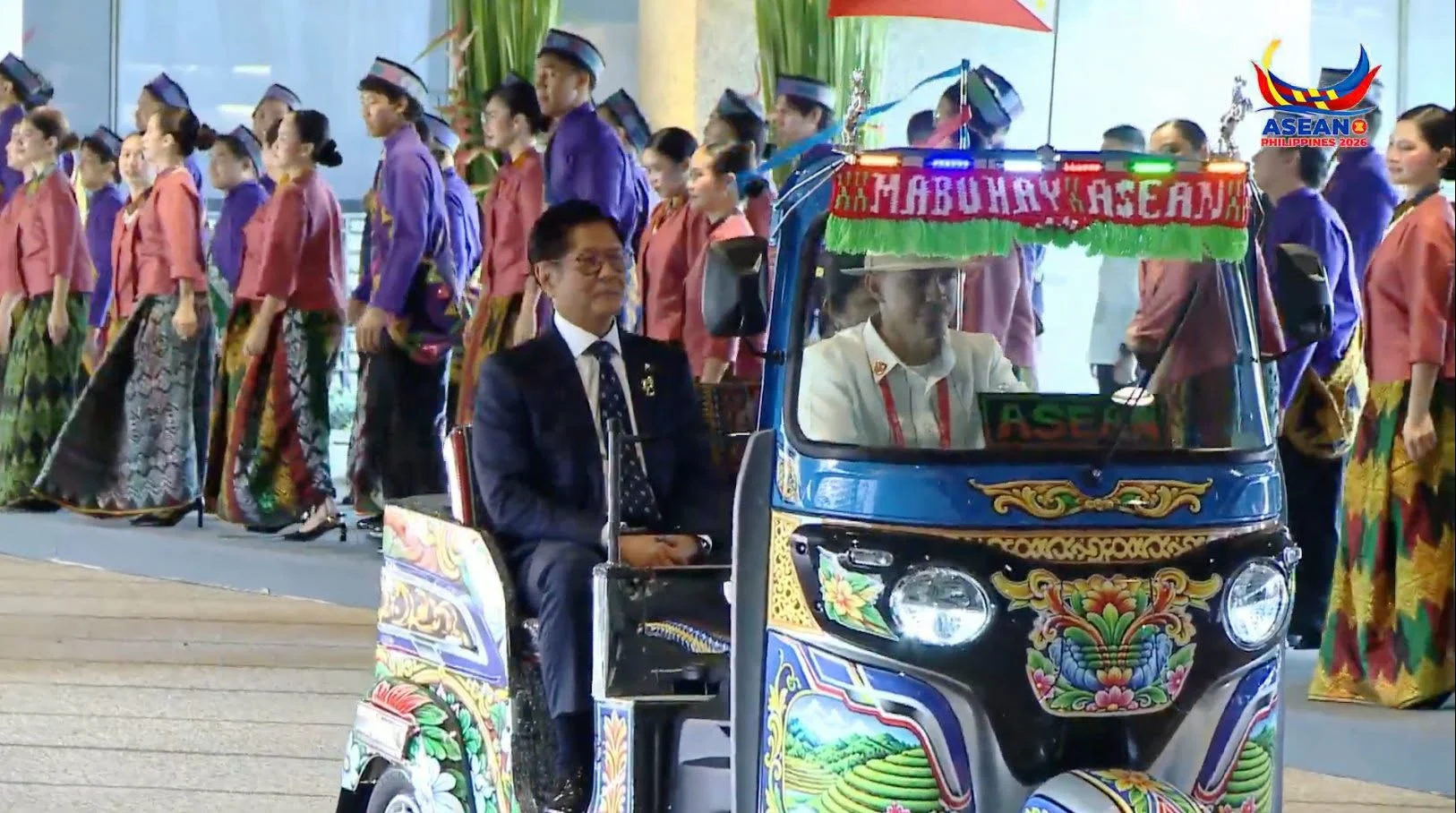

When the Philippines welcomed over 20 heads of state and over 10,000 delegates to Metro Manila for the forty ninth ASEAN Summit earlier this week, the gathering did greater than advance regional diplomacy.
Slightly, it delivered a sensible masterclass on how mega-events can sharpen a vacation spot’s aggressive edge within the Conferences, Incentives, Conferences, and Exhibitions (MICE) sector].
For occasion planners and tourism boards throughout Southeast Asia, Manila’s execution highlights 5 actionable methods to maximise long-term business and reputational returns.
I. The press room as a advertising hub
First, locations ought to reimagine the press room as an experiential advertising hub.
As an alternative of leaving the Worldwide Media Centre on the World Commerce Centre Metro Manila as a sterile workspace, Philippine organisers infused it with sensory storytelling.
Interactive cubicles from the Division of Tourism (DOT) showcased regional espresso, cacao, and coconut merchandise alongside conventional hilot wellness remedies, whereas Michelin-recognised cooks curated menus celebrating native flavours.
Remodeling press briefings into viral cultural touchpoints proves how successfully hosts can pitch bleisure extensions on to worldwide journalists.
II. Convey entrepreneurs into the equation
Second, occasion architects should weave micro, small, and medium enterprises (MSMEs) into the availability chain.
Mega-summits regularly channel income completely towards multinational hoteliers and main contractors.
Manila countered this by launching a Division of Commerce and Trade-backed MSME Hub, permitting native farmers and artisans to pitch on to international consumers.
Co-locating official tracks with the ASEAN Inventive Industries Expo ensured grassroots entrepreneurs captured tangible worth from high-level foot site visitors.
III. Standardising the hospitality frontline earlier than anybody arrives
Third, standardising frontline hospitality earlier than delegates land is significant for the sleek deployment of companies.
Recognising that bodily infrastructure can not compensate for uneven service, the DOT enrolled ushers, liaison officers, and airport employees in a month-long curriculum rooted within the Filipino Model of Service Excellence.
Masking diplomatic protocol and repair restoration throughout each touchpoint, this pre-event certification presents a transparent blueprint for regional neighbours bidding on main worldwide conventions.
IV. Constructing a civic legacy that lasts past the occasion
Fourth, pairing heritage venue restoration with multi-hub dispersal builds lasting civic legacy.
Utilising the newly restored Philippine Worldwide Conference Centre (PICC) alongside landmarks such because the Coconut Palace demonstrated that revitalising present icons prevents single-use white elephants.
In the meantime, staging the sooner forty eighth ASEAN Summit in Cebu and spreading over 200 preparatory conferences throughout secondary hubs distributed infrastructure upgrades and tourism receipts effectively past the capital.
V. It’s all about mobility
Lastly, planners should steadiness stringent safety with city mobility in any and all venues.
Internet hosting world leaders from the US, China, and Brazil required deploying over 19,000 safety personnel.
Whereas focused public holidays and complimentary shuttles prevented gridlock in a dense metropolis, counting on declared non-working days carries an financial trade-off.
For Southeast Asian MICE locations, the takeaway is obvious: sustained funding in devoted transit corridors and airport modernisation stays indispensable so future mega-events can thrive with out halting each day commerce.